
Article: What is Atmosphere Design? Beyond Furniture, Lighting and Decor
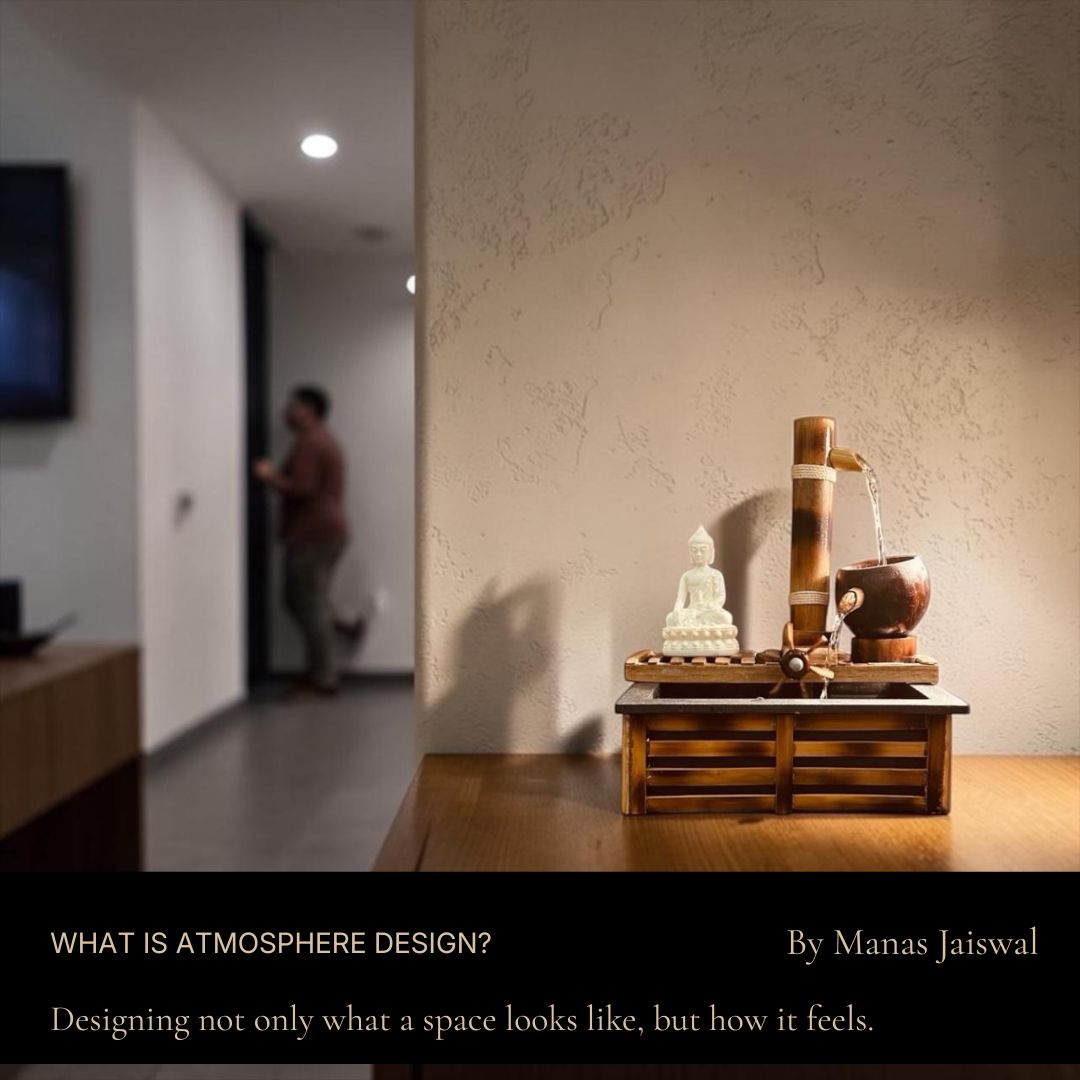
What is Atmosphere Design? Beyond Furniture, Lighting and Decor

Walk into two beautifully designed rooms.
Both may have similar furniture. Similar colors. Similar materials. Similar budgets.
Yet one feels alive. The other simply looks finished.
One invites you to stay. The other invites you to leave.
Most conversations about interior design focus on what can be seen—furniture, lighting, materials, finishes and decor. These elements are important. They define how a space looks and functions.
But they do not fully explain how a space feels.
The feeling of a place emerges from something deeper. It is shaped by movement, rhythm, sound, natural elements, sensory cues and countless subtle interactions that occur beneath conscious awareness.
This invisible layer is what we call atmosphere.
And the intentional shaping of this layer is what we call Atmosphere Design.
Atmosphere Design is the practice of designing not only for appearance and function, but for emotional presence. It considers how a space settles around people, how it influences attention, how it affects stress levels, and how it shapes the quality of experience over time.
As our homes become sanctuaries, workplaces become experience centers, and hospitality spaces compete on emotion rather than amenities alone, atmosphere is becoming one of the most important and least understood dimensions of design.
In many ways, atmosphere is the difference between a room that is occupied and a room that is inhabited.
The Four Layers of Every Space
Every environment can be understood through four interconnected layers.
Layer One: Function
Function answers the practical question: "What happens here?"
A bedroom is designed for rest. A café is designed for gathering. A reception area is designed for welcoming. Function determines layout, circulation, ergonomics and usability.
Without function, a space becomes frustrating.

Layer Two: Form
Form answers the visual question: "What does this space look like?"
This includes architecture, furniture, materials, colors, textures and styling. Most interior design discussions focus heavily on form because it is immediately visible.
Without form, a space lacks character.
Layer Three: Sensory Experience
Sensory experience answers the question: "What do people perceive?"
Natural light, acoustics, scent, temperature, tactile materials and visual movement all influence perception. This is where the conversation begins to move beyond aesthetics.
Without sensory awareness, spaces can feel sterile, overwhelming or disconnected.
Layer Four: Atmosphere
Atmosphere answers the deepest question: "What does it feel like to be here?"
Atmosphere is not an object. It is an experience.
It emerges from the interaction of all other layers and influences emotional states in subtle but powerful ways. Calm. Warmth. Presence. Curiosity. Reflection. Focus. Ease.
Atmosphere cannot be installed like furniture.
It must be cultivated.
And yet it often becomes the most memorable quality of a place.
Why Modern Spaces Feel Complete Yet Unsatisfying

Never before have we had access to so much design inspiration.
A few minutes on Pinterest, Instagram or design magazines can expose us to thousands of beautifully curated interiors. Homes have become more stylish. Materials have become more refined. Furniture has become more thoughtfully designed.
Yet despite these advances, many spaces still leave us feeling strangely unsettled.
They look complete. But they do not always feel complete.
This disconnect is becoming increasingly common in modern interiors because design often prioritizes appearance over experience.
We have become exceptionally skilled at designing what a room looks like. We are still learning how to design what a room feels like.
Many contemporary interiors are static environments. Every object is fixed. Every surface is still. Every material is carefully chosen, yet nothing changes from one moment to the next.
The result can be visually impressive but emotionally flat.
Human beings did not evolve in static environments.
For thousands of years we lived among shifting light, moving water, rustling leaves, changing weather and countless natural rhythms. Our senses developed in environments filled with subtle movement and variation.
Nature was never still. The modern built environment often is.
As more of our lives move indoors and onto screens, this absence of natural rhythm becomes increasingly noticeable. People may not consciously recognize what is missing, but they often feel its effects.
The room feels cold.
The space feels sterile.
Something feels unfinished.
Not because another decorative object is needed, but because the environment lacks the subtle sensory cues that help us feel connected, grounded and present.
This is where atmosphere begins.
"Atmosphere is not created by adding more things. It is created by introducing experiences."
Experiences of movement. Experiences of sound. Experiences of changing light.
Experiences that reconnect a space to the rhythms found in nature.The future of design may not be about filling rooms with more objects. It may be about creating environments that feel more alive.
The Missing Element: Rhythm

One of the defining characteristics of nature is rhythm.
Waves rise and fall. Leaves move with the wind. Clouds drift across the sky. Water flows. Light changes throughout the day.
Nothing remains exactly the same from one moment to the next.
These subtle patterns of movement create what scientists and designers often refer to as dynamic environments—spaces that continuously evolve in small, almost imperceptible ways.
Human beings have spent millennia immersed in these rhythms.
Long before architecture, furniture or technology, we lived in environments shaped by movement, sound and change. As a result, our minds developed a deep sensitivity to these natural patterns.
We are drawn to fire.
We watch rain fall against windows.
We listen to waves without becoming bored.
We find ourselves mesmerized by moving water.
These experiences require no explanation.
Something about them feels inherently calming.
Part of the reason is that natural rhythms occupy our attention without demanding it. They create gentle engagement rather than stimulation. Unlike notifications, advertisements or digital screens, they do not compete for our focus.
Instead, they invite us to slow down.
This quality is becoming increasingly valuable in a world defined by constant interruption.
As homes become workplaces, workplaces become experience centers and hospitality spaces compete for emotional connection, designers are beginning to recognize the importance of movement as a design element.
Not dramatic movement. Subtle movement.
The kind that exists at the edge of awareness.
A curtain responding to a breeze. The shifting shadow of a tree. The quiet sound of flowing water.
These elements do not dominate a space. They animate it.
They introduce rhythm into environments that might otherwise feel static.
In many ways, atmosphere emerges when a space begins to participate in time. A room stops feeling like a collection of objects and starts feeling alive. This is why rhythm may be one of the most overlooked dimensions of contemporary design.
And perhaps one of the most important.
Biophilic Design Beyond Plants

Over the past decade, biophilic design has transformed the way we think about interiors.
Designers increasingly recognize that human wellbeing is deeply connected to our relationship with nature. As a result, plants, natural materials, daylight and organic forms have become important elements of contemporary architecture and interior design.
These developments represent a meaningful shift.
But in many spaces, biophilic design remains largely visual.
Nature is present. Yet it is often passive.
A plant occupies a corner. A wooden surface introduces warmth. A stone wall provides texture.
These elements improve a space, but they capture only part of what makes natural environments restorative.
Nature is not simply something we look at. It is something we experience.
A forest is not calming because of its appearance alone. It is calming because leaves move overhead. Because light shifts throughout the day. Because sounds emerge and disappear. Because countless subtle interactions create a living sensory experience.
The same principle applies to interior environments.
A truly biophilic space does more than reference nature visually. It recreates some of the qualities that make natural environments feel alive.
Movement. Rhythm. Variation. Sound. Presence.
These qualities introduce a dynamic layer to the built environment. They help transform rooms from static compositions into living experiences.
This shift may represent the next evolution of biophilic design.
Not simply bringing nature indoors. But bringing nature's rhythms indoors.
Designing spaces that do not merely resemble nature, but participate in the qualities that make nature restorative in the first place.
Designing for Presence

Every space influences how we feel.
Some rooms make us anxious.
Some help us focus.
Some encourage conversation.
Others invite reflection.
Often, these effects occur without conscious awareness.
We rarely walk into a room and analyze why it feels calming or stressful. Instead, our bodies respond automatically to countless environmental cues.
Light. Sound. Movement. Texture. Temperature. Rhythm.
Together, these elements shape what might be called our state of being within a space.
This is where Atmosphere Design begins to move beyond aesthetics. The goal is not simply to create beautiful environments. The goal is to create environments that support desirable human states.
A reading corner should encourage stillness.
A hospitality lobby should create a sense of welcome.
A wellness space should invite restoration.
A workplace should support focus without fatigue.
A home should help its inhabitants transition from the demands of the outside world to a greater sense of ease.
These outcomes are not achieved through furniture alone. They emerge through atmosphere.
Designing for presence means considering how a space participates in human experience over time. It asks a different question than traditional design.
Not:
"How should this space look?"
But:
"How should this space help people feel?"
This subtle shift changes everything.
It encourages designers to think beyond objects and toward experiences. Beyond decoration and toward emotional resonance.
When atmosphere is thoughtfully designed, a space begins to support the qualities we often seek but struggle to find in modern life:
Attention.
Calm.
Connection.
Reflection.
Belonging.
Presence.
In this sense, atmosphere is not an aesthetic luxury.
It is an essential part of how environments influence wellbeing.
And as our lives become increasingly digital, the ability of physical spaces to restore attention and create moments of presence may become one of their most valuable functions.
Atmosphere Design Across Different Spaces
Atmosphere is not a single aesthetic.
It is a design approach that can be expressed differently depending on the purpose of a space.
The atmosphere of a wellness retreat should feel different from that of a workspace. A hospitality lounge serves different emotional needs than a reading corner at home.
Yet beneath these differences lies a common objective: creating environments that support the desired human experience.
Homes: Creating Spaces of Restoration

Modern homes are expected to perform many functions.
They are places to live, work, socialize and rest. As these boundaries continue to blur, the need for restorative environments becomes increasingly important.
Atmosphere Design helps create moments of transition within everyday life. Spaces that encourage people to slow down, disconnect from external demands and reconnect with themselves.
A quiet reading corner.
A sunlit window seat.
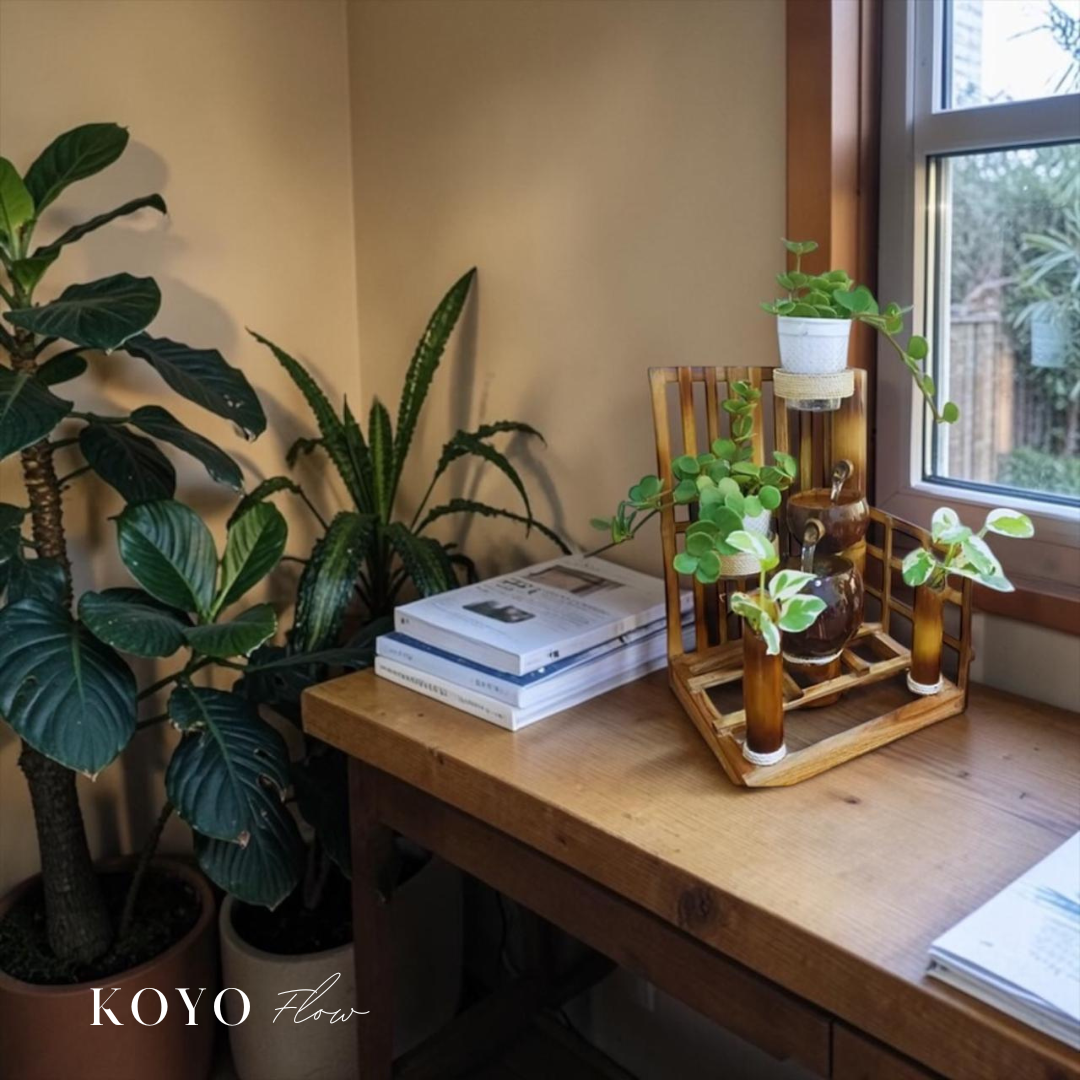
A space accompanied by natural rhythms, soft sound or gentle movement.
These environments do not merely occupy space within a home.
They influence how life is experienced within it.
Hospitality: Designing Memorable Experiences

In hospitality, atmosphere often becomes the experience.
Guests may not remember the exact dimensions of a lobby or the specification of a chair. But they remember how a place made them feel.
The most memorable hospitality environments engage multiple senses simultaneously. They create a feeling of welcome, ease and emotional connection.
This is why many exceptional hotels and resorts invest heavily in lighting, scent, soundscapes, natural materials and sensory experiences.
Atmosphere becomes part of the brand itself.
Not an accessory to the experience.
But the experience.
Wellness Spaces: Supporting Presence and Recovery

Wellness environments have long understood the relationship between atmosphere and wellbeing.
Spas, retreats, meditation spaces and healing environments often rely on more than visual design. They carefully consider sound, texture, temperature, light and sensory engagement.
These elements help signal a transition from activity to restoration.
From stimulation to reflection.
From doing to being.
Atmosphere Design provides a framework for understanding why these environments feel different and how those experiences can be intentionally created.
Workspaces: Beyond Productivity

The future workplace is not simply a place to complete tasks.
It is an environment that influences attention, creativity and cognitive wellbeing.
As knowledge work becomes increasingly demanding, environments that reduce fatigue and support sustained focus will become more valuable.
This does not mean turning offices into spas.
It means recognizing that human performance is influenced by environmental conditions.
Natural light.
Organic materials.
Moments of visual relief.
Subtle sensory experiences.
Spaces that support both concentration and recovery.
Atmosphere becomes a contributor to performance, not a distraction from it.
What unites all of these environments is a simple realization:
People do not remember spaces solely because of how they looked.
They remember them because of how they felt.
Atmosphere Design seeks to understand and intentionally shape that experience.
The Future of Atmosphere Design

The twentieth century transformed how we design buildings. The twenty-first century may transform how we design experiences.
For decades, the primary focus of interior design has been form, function and aesthetics. These remain essential. Yet as our lives become increasingly digital, a new challenge is emerging.
How do we create environments that help people feel human?
How do we design spaces that restore attention rather than compete for it?
How do we create moments of calm in a culture defined by constant stimulation?
These questions are becoming increasingly relevant across homes, workplaces, hospitality and wellness environments.
The future of design may not be defined by new materials or new technologies alone. It may be defined by a deeper understanding of human experience. A growing recognition that spaces influence not only what we do, but how we feel.
In this context, atmosphere becomes more than an aesthetic consideration. It becomes a design discipline. A discipline concerned with rhythm, presence, sensory experience and emotional resonance. A discipline that considers not only how a room appears, but how it participates in everyday life.
The spaces we remember most rarely impress us through scale alone. They remain with us because of how they made us feel.
A quiet library where time seemed to slow down.
A hotel lobby that immediately felt welcoming.
A reading corner that invited us to linger.
A room filled with morning light and the gentle sound of water.
These experiences are often subtle. Yet their impact can be profound.
As designers, architects and homeowners continue to explore new ways of creating meaningful environments, atmosphere may become one of the most important dimensions of design.
Not because it replaces function or form. But because it completes them. Perhaps the future of design is not simply creating beautiful spaces. Perhaps it is creating spaces that help people feel more present within them. And perhaps that is where Atmosphere Design begins.
---------------------------------------------
This article is part of KOYO Flow's ongoing exploration of Atmosphere Design, Biophilic Living and the Art of Living in Rhythm.
About The Author
Manas Jaiswal is the founder of KOYO Flow and creator of the Atmosphere Design framework. His work explores how rhythm, nature, movement and sensory experiences shape the way people feel within a space.

Written by KOYO Flow

Leave a comment
This site is protected by hCaptcha and the hCaptcha Privacy Policy and Terms of Service apply.